Antwerp and Brussels
This was a weekend trip in April. My partner and I wanted a short escape from the chaos of settling into our new home. Since my partner has lived in the Netherlands for a long time, I’ve visited the country often, even during the years I was studying in the U.S. But this was my first time visiting the neighboring country, Belgium. We took the train to Antwerp, explored the city for a while, and then headed to Brussels for the rest of the weekend.
I’ve grouped a few thoughts into different categories below (of course, a city or country can’t be captured fully this way).
History
I am really bad at history and geography. Everytime I go traveling I get the chance to review them a bit.
Belgium has three official languages: French, Dutch, and German. These reflect its complex historical and cultural ties with neighboring countries. Here’s a simplified summary of what I learned (thanks, Wikipedia!):
Languages and regional background
French
The southern part of Belgium is predominantly French-speaking and is known as Wallonia. This area wasn’t originally part of France: it used to be several Counts in the Low Countries, and influenced by French culture (along with other dominant powers in the region). After the French Revolution and during Napoleon’s First French Empire, parts of this region were briefly annexed by France, that’s the only time Belgium and France were technically the same country.
Dutch (Flemish)
The nothern part of Belgium is called the Flemish Region, where people speak Flemish, a variant of Dutch. People sometimes use Flanders and Flemish Region to mean the same thing, but they don’t refer to exactly the same area. The term Flanders is a broader historical region in Middle Age that also included parts of what is now northern France and the southern Netherlands.
German
A small area in eastern Belgium is the German-speaking Community of Belgium. These lands were transferred from Germany to Belgium after World War I as part of the Treaty of Versailles. Administratively, this German-speaking area is part of Wallonia.
In addition to Wallonia and Flemish Region, the Brussels-Capital Region is the third federal region. Here, both French and Dutch are official languages. We spent most of our time in the City of Brussels during our trip.
Other historical highlights
Independence
After the fall of Napoleon’s First French Empire (Waterloo is in Belgium!), the Congress of Vienna decided to merge what is now Belgium with the Netherlands, forming the United Kingdom of the Netherlands. This union lasted only a few decades. After the revolution, Belgium declared independence in 1830 and later became a neutral constitutional monarchy country. This status played a role in Britain’s decision to join WWI when Germany invaded Belgium1.
The royal family
As Belgium became an independent country, it followed the general trend of constitutional monarchies in Europe. The National Congress elected Leopold I, a prince from the House of Saxe-Coburg and Gotha (originally from Germany), to become the first King of the Belgians. Currently, Princess Elisabeth, Duchess of Brabant, is the heir apparent. She is expected to become the first-ever queen regnant of Belgium.
International headquarter
Brussels hosts the main administrative headquarters of both EU and NATO. Brussels has also become a common way to refer to the EU. Belgium’s central location in Europe, multilingual population, and long-standing neutral status made it a natural choice for international institutions.
Food
Food is part of the culture, daily life, and history, and it’s definitely a major part of my travel 😋.
Fries
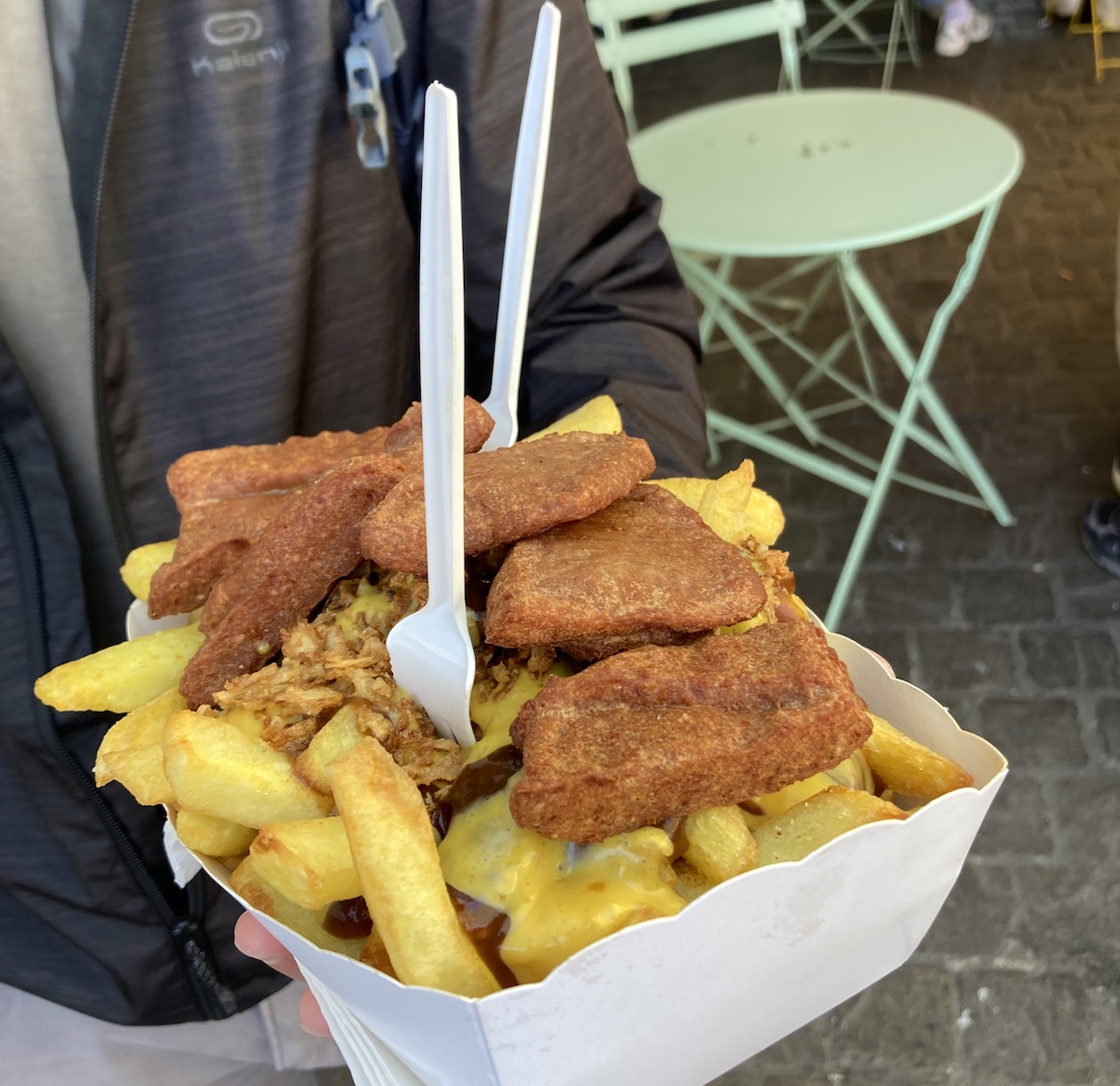
You might wonder, “Fries? Aren’t they everywhere?” If you’ve spent a while in a place known for fast food like I have, fries are common but rarely memorable. In the Low Countries, though, fries are on another level: crisp on the outside, fluffy inside, and made from a wide variety of local potatoes, as those are the staple food there. Belgium is also famous for combining fries with other dishes like steak or mussels. The one we had (shown in the gallery) was called a Romboutje, a specialty from Ghent. It was topped with joppie sauce, sliced Mexicano sausage, and stoofvlees (beef stew). A perfect mix of savory flavors and textures in one box.

Mussels
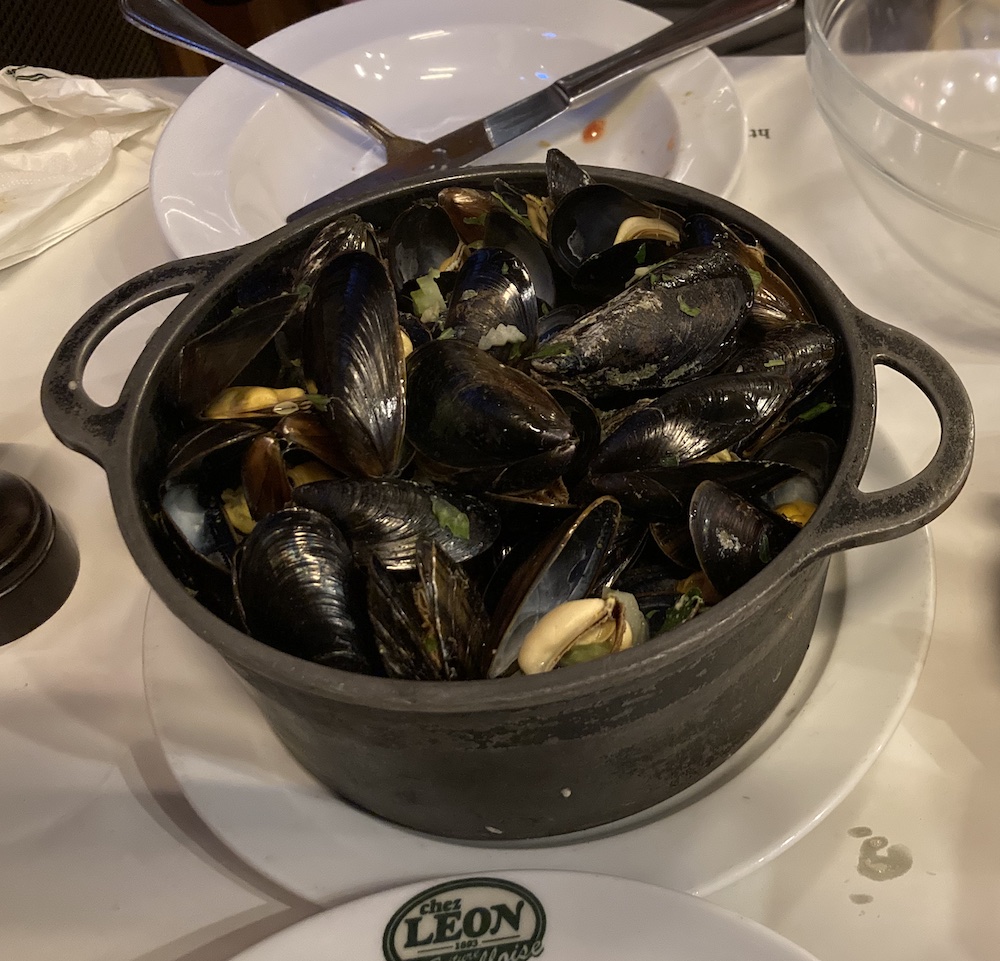
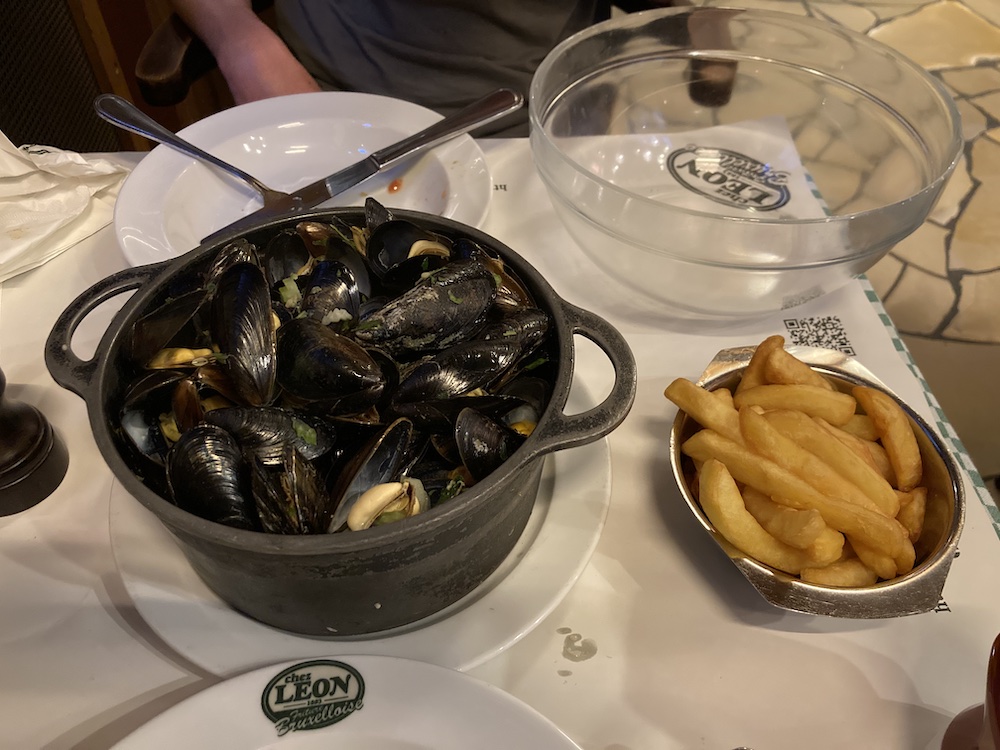
Mussels are popular here for a reason: they’re local, affordable, and harvested in large quantities. We had the classic moules marinière, cooked in white wine and herbs. The flavor was light and clean, not overwhelming at all. What impressed me most is that customers in the restaurant can finish an entire pot by themselves. (It’s a bit like watching some Japanese eat a full bowl of ramen and order extra rice.)
Waffles
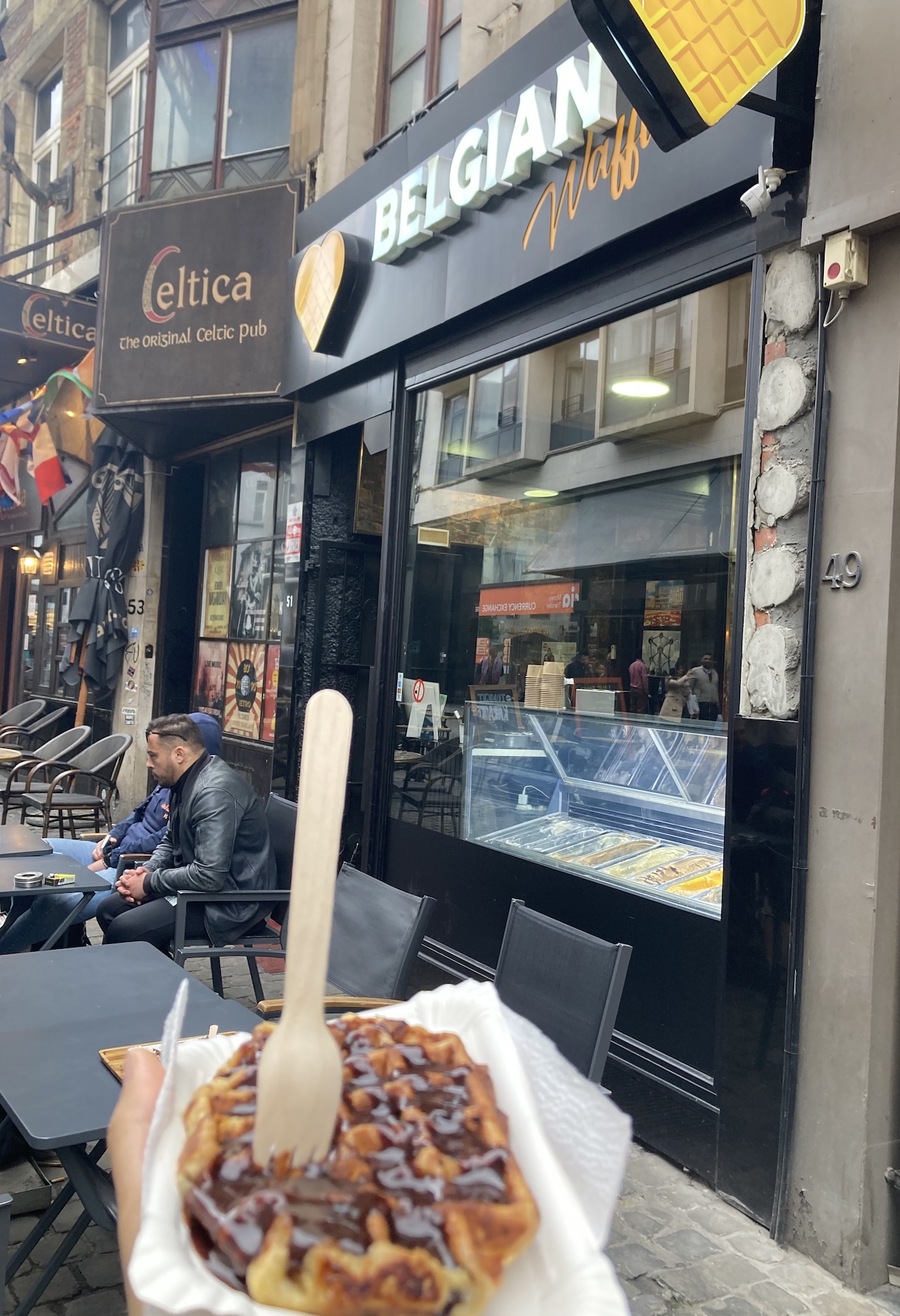
Belgium is known for two types of waffles: Brussels and Liège. The batter is different, so is the texture. I only tried the Liège waffle this time, it is chewy. Brussels waffles are rectangular and supposedly softer. Just like having the ice cream, you can add many kinds of toppings.
Cuberdons
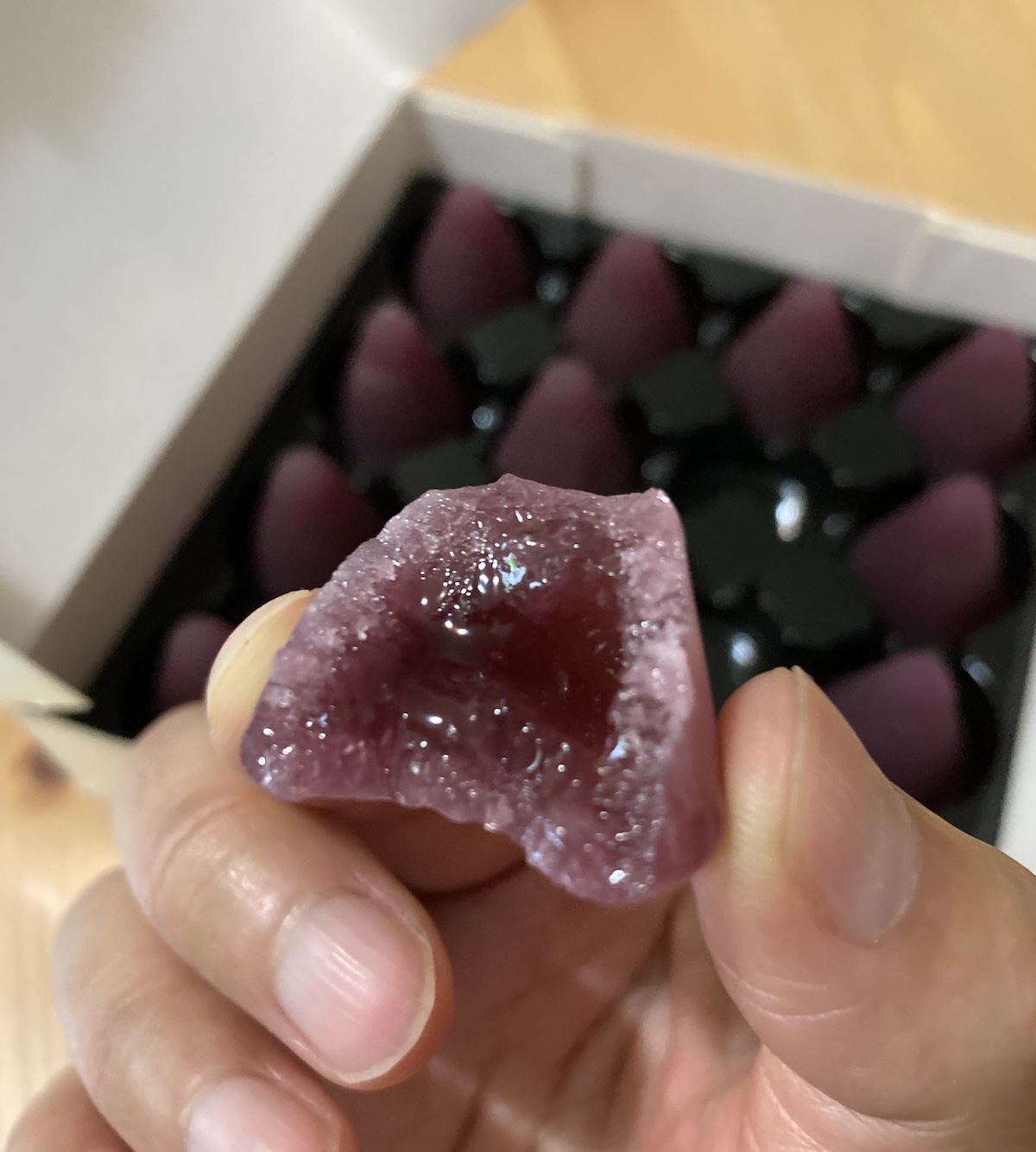
Cuberdons are traditional cone-shaped candies from Ghent, with a jam-like filling inside. The texture is unique, soft on the outside and gooey in the center. They come in different colors and flavors, but the classic is raspberry. That’s the one in the picture, to me, it is more like the grape flavor. I found it too sweet, not really my thing, but still worth trying as a piece of edible history.
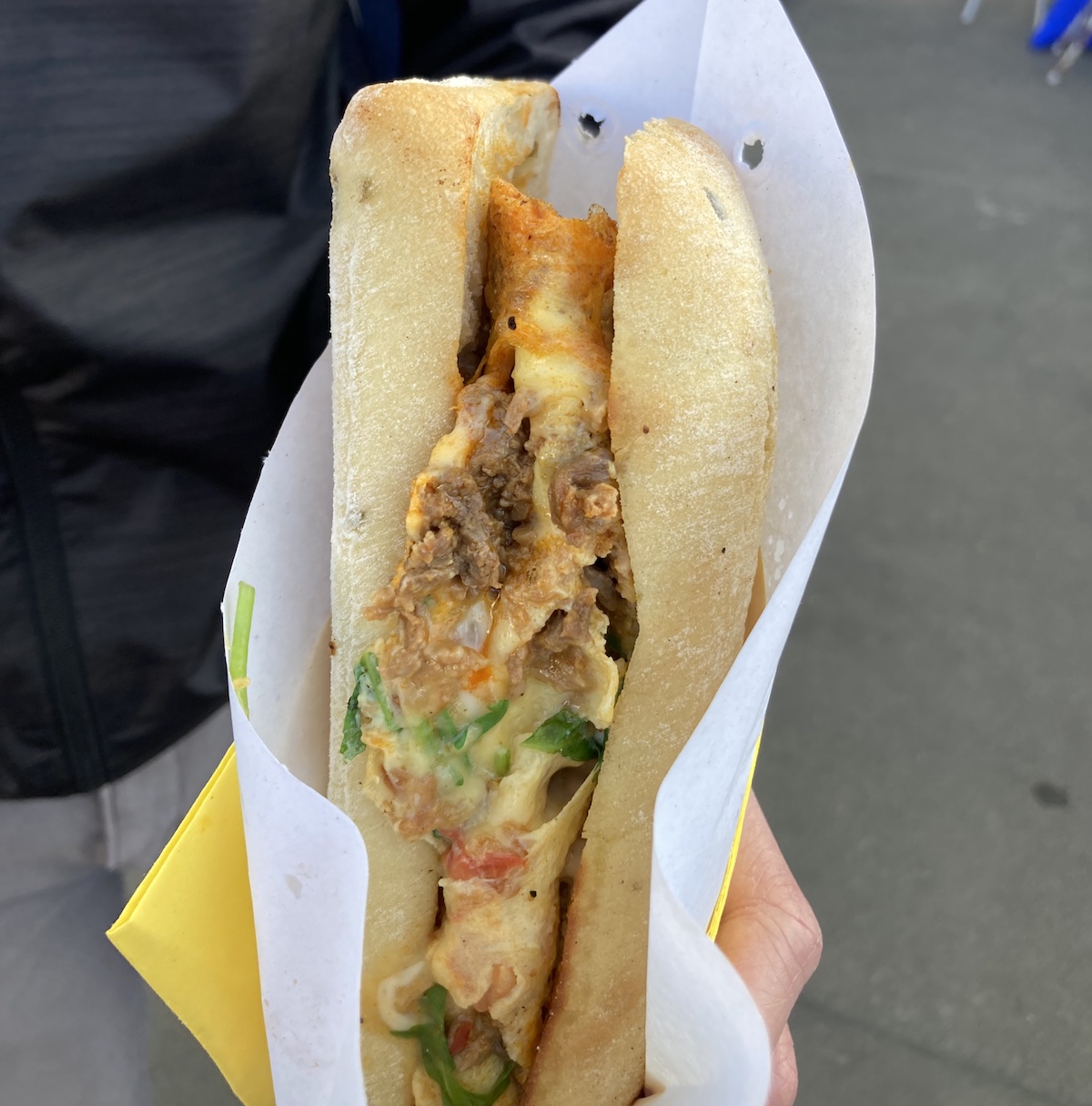
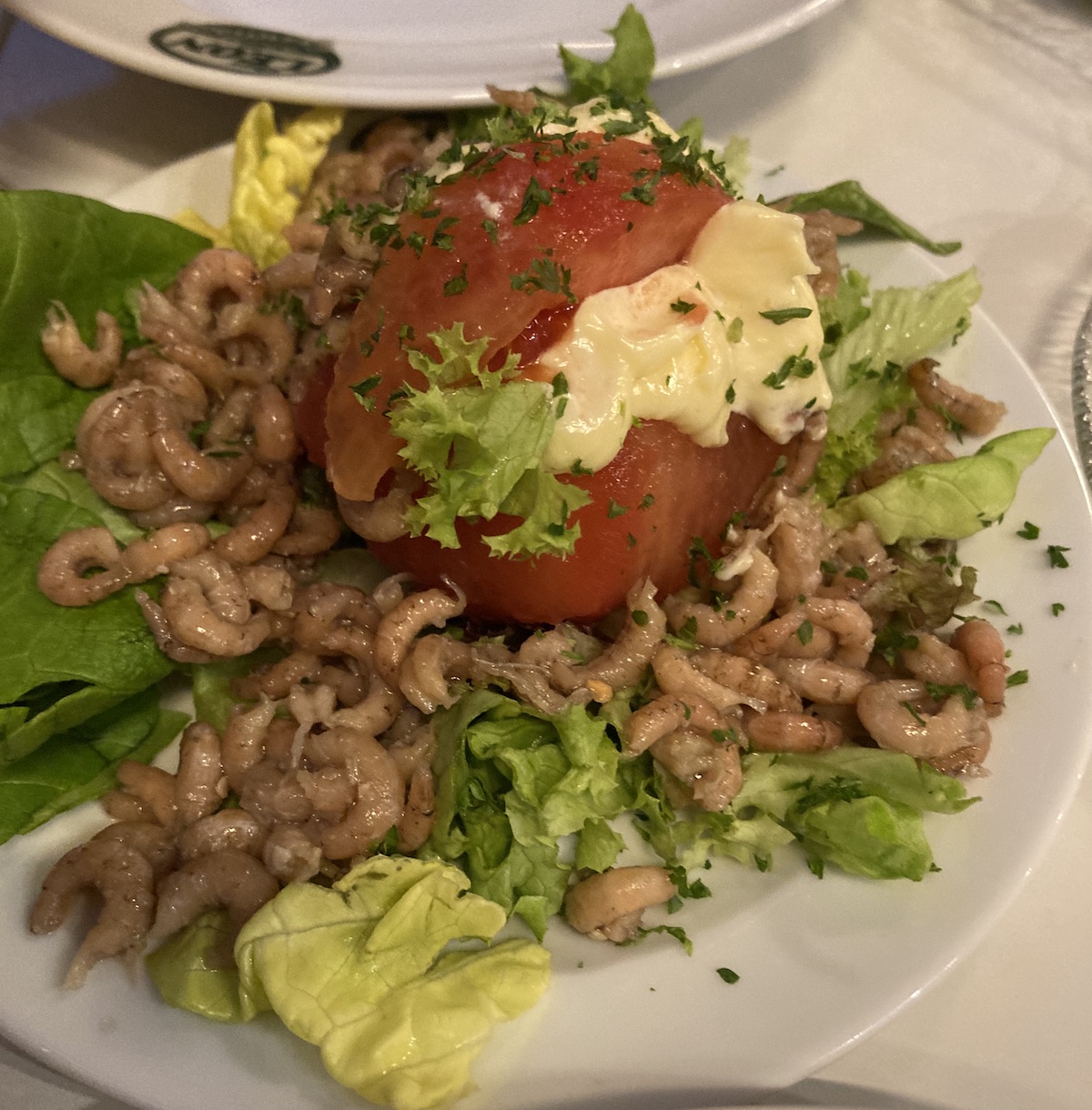
I also tried other common or special dishes during the trip, like the omelet sandwich from a food court in Antwerp and a tomato stuffed with gray shrimp, as shown in the pictures. And yes, chocolates! You can’t talk about Belgian food without them. There are so many brands, many of them quite luxurious. I learned that some carry a royal warranty, a symbol of quality and prestige, you’ll see a lion emblem on their packaging.
Visited Places
I’m not sure what’s the best way to share my impressions through photos, so I’ll simply describe my thoughts based on each one.
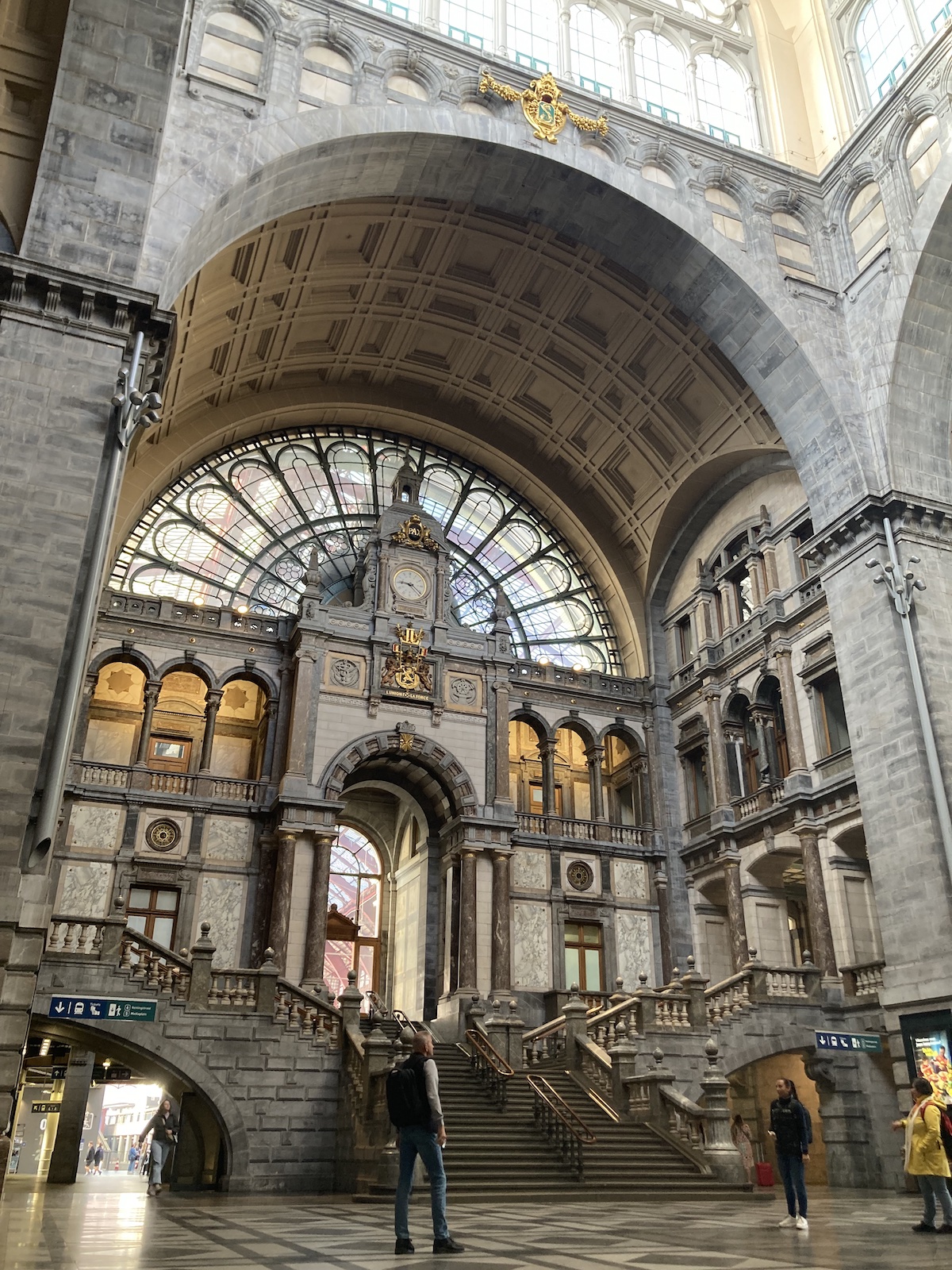
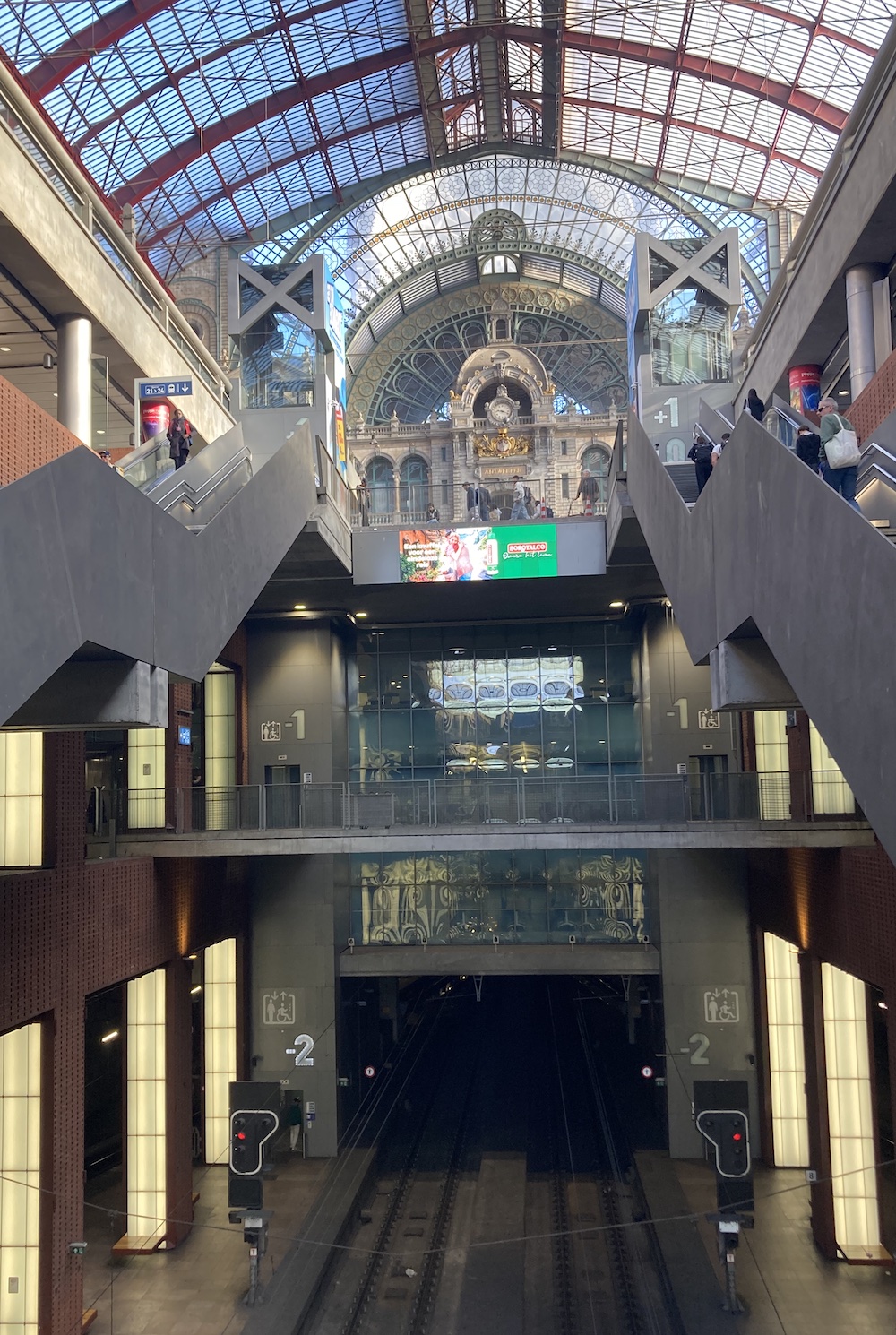
Antwerp Central might be the most beautiful train station I’ve ever seen. Guess what? According to Google Gemini, it’s ranked among the top five in the world: along with stations in Porto, New York, Kanazawa, and Naples. I was lucky to catch a moment when the lobby was nearly empty and take this photo with so few people around.
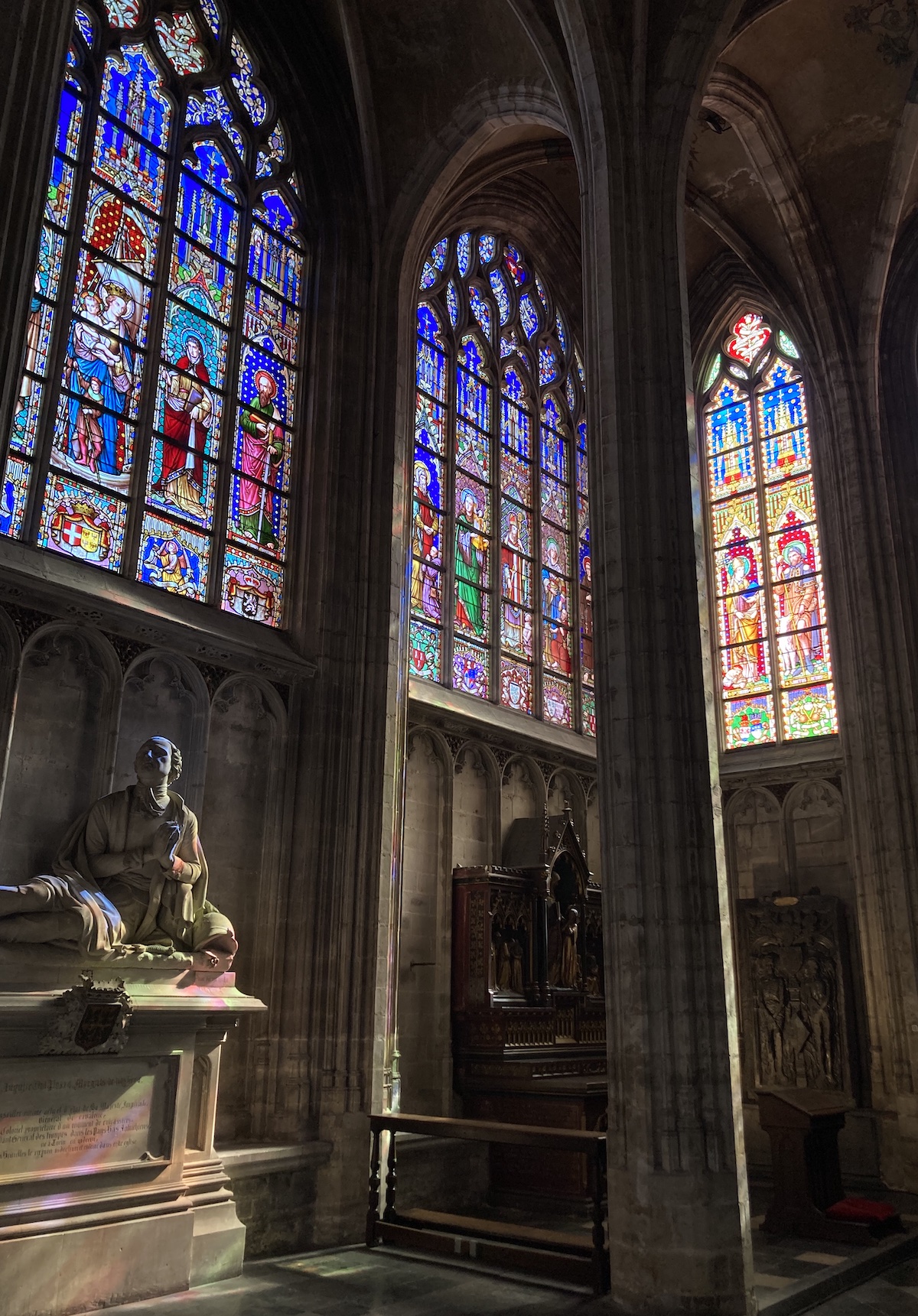
This 15th-century church near the Royal Palace gave me the rare and beautiful sights: we got to see sunlight streaming through its colorful stained-glass windows. In general, churches are always worth a visit when traveling in Europe. They hold historical significance, feature magnificent architecture, and reflect local culture. Another notable one in Brussels is the Cathedral of Saint Michael and Saint Gudula (named after the city’s patron saints). It’s also where national events for the royal family are held.
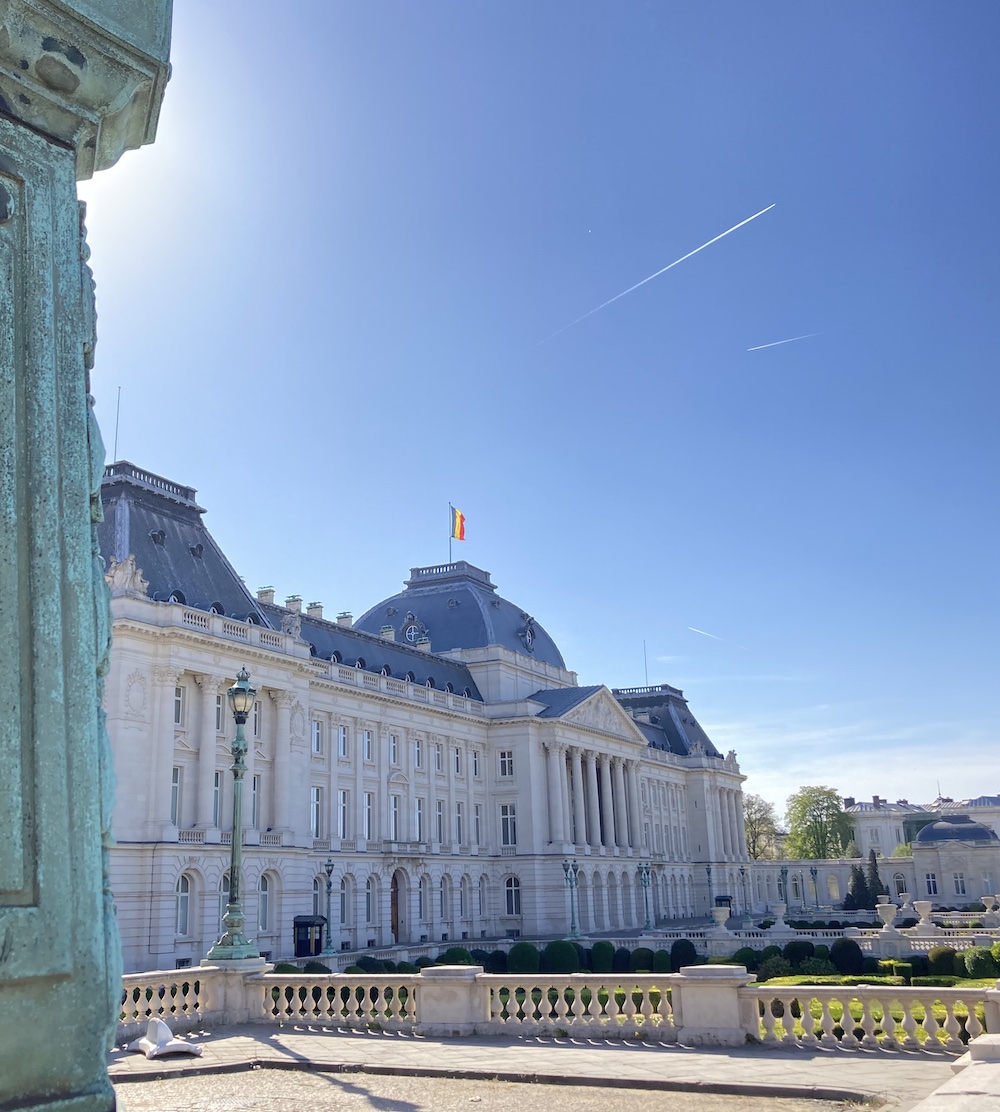
The weather was too nice to stand in the sun to take better photos for the palace. It was a bit much for me, as someone coming from a hot country, I don’t really enjoy super sunny day… Luckily, the Park of Brussels, which is right in front of the palace, offers some much-needed shade.
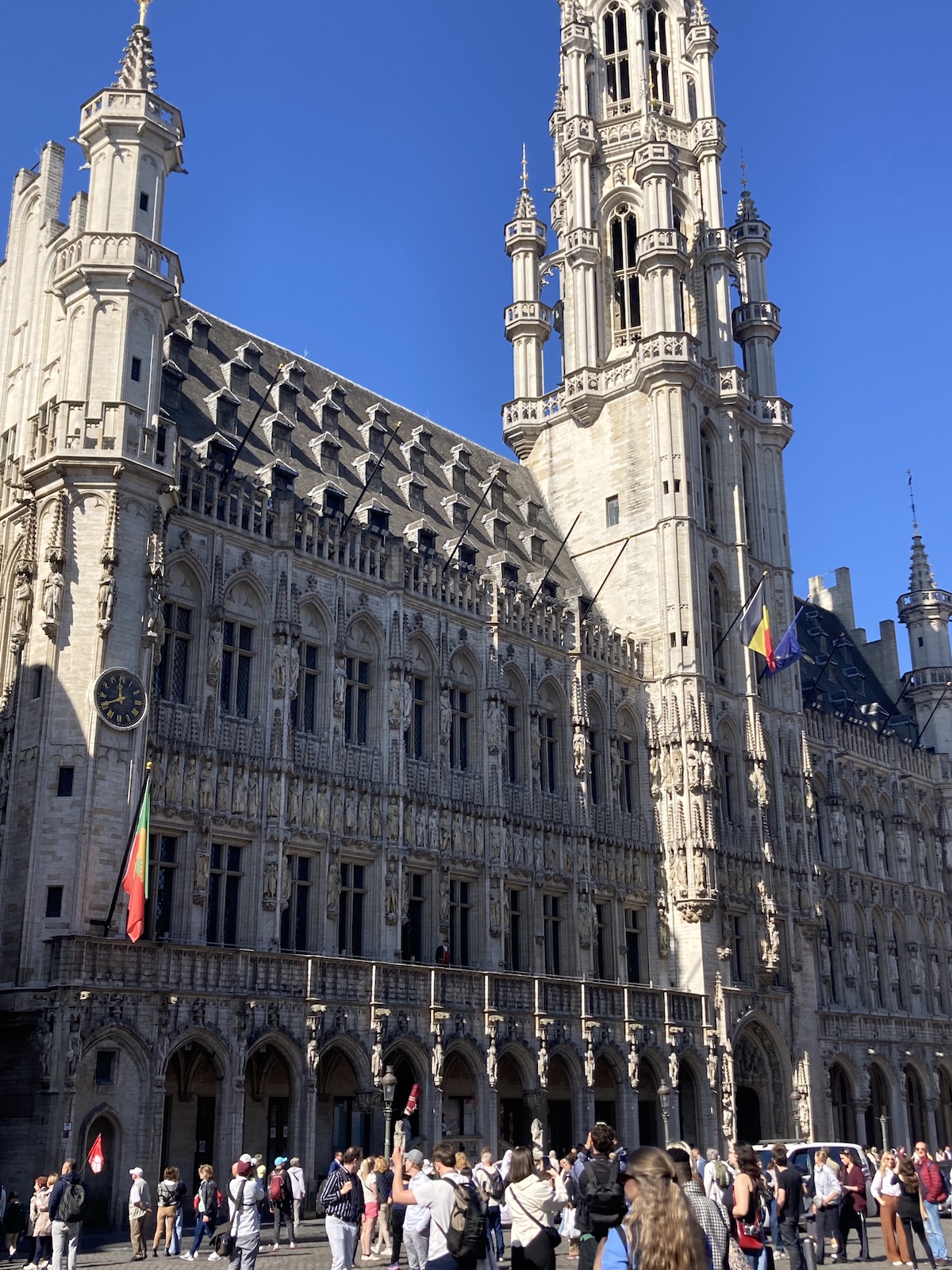
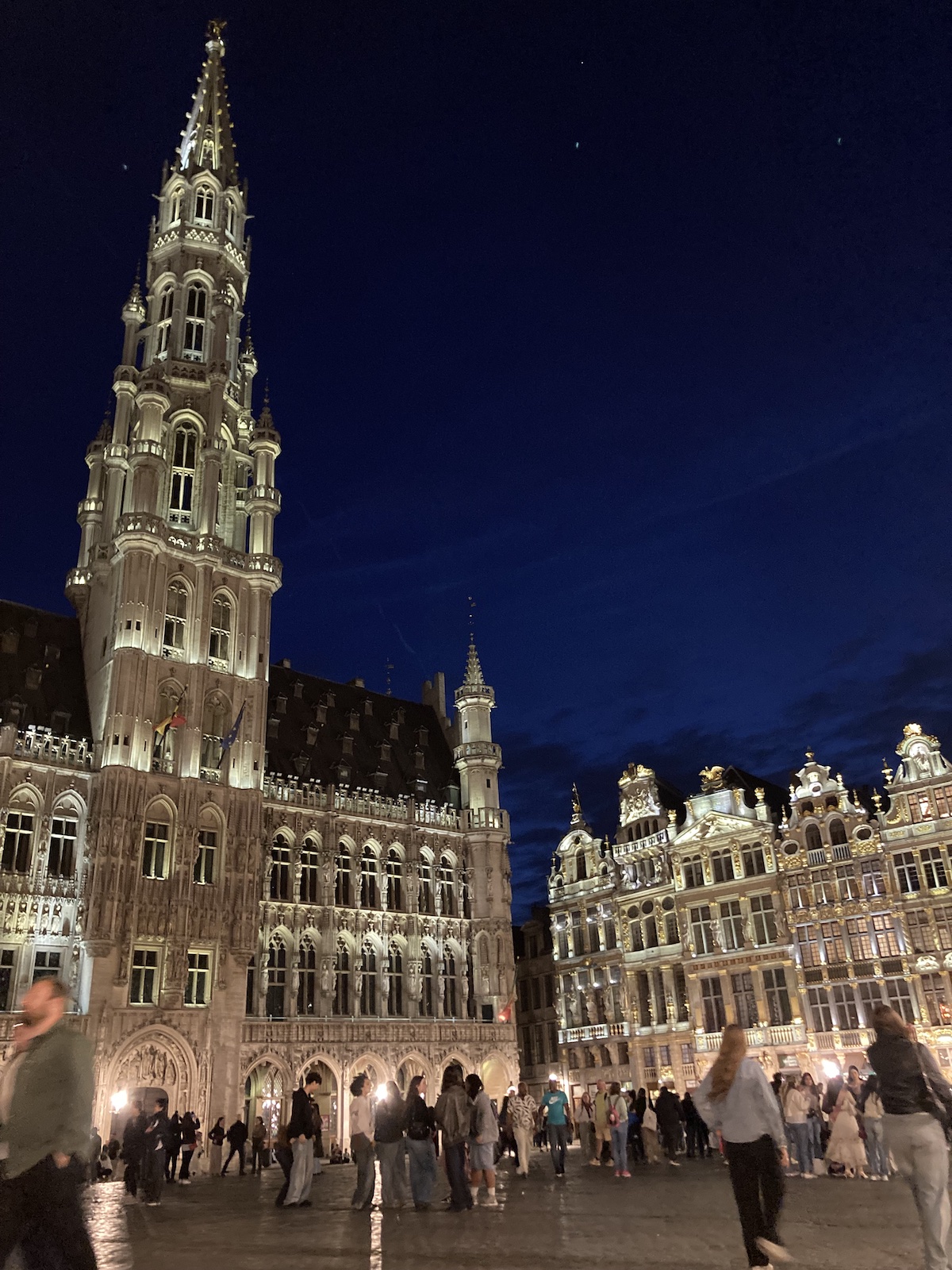
The Grand-Place is the central square of Brussels. Victor Hugo once called it “the most beautiful square in the world.” It is stunning, whether in daylight or at night, though I suspect he might have been a little biased, since he lived here for a while.
The City Hall is located in this square (as shown in both pictures), surrounded by many historic buildings, each with its own name and story. For example, the original flagship store of Godiva is at a building called “Joseph and Anne”.
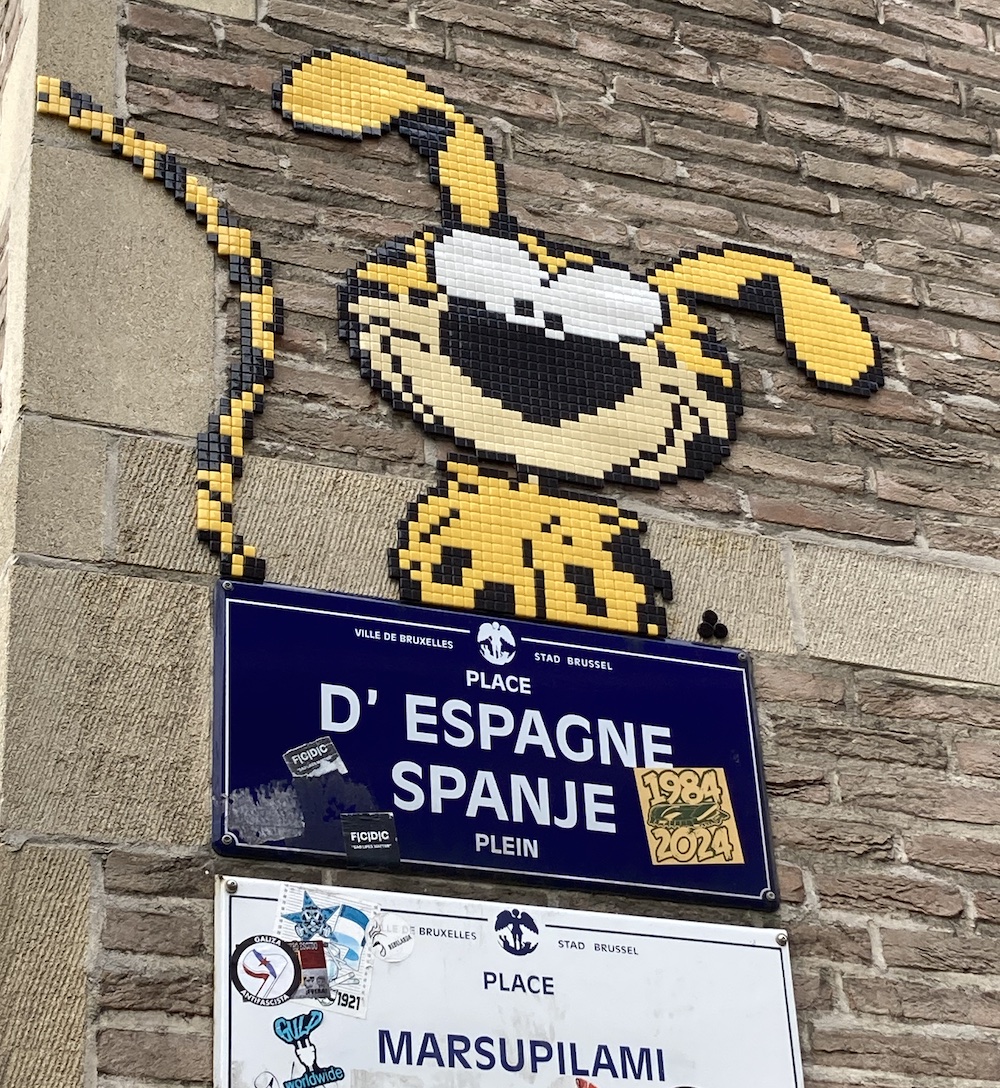
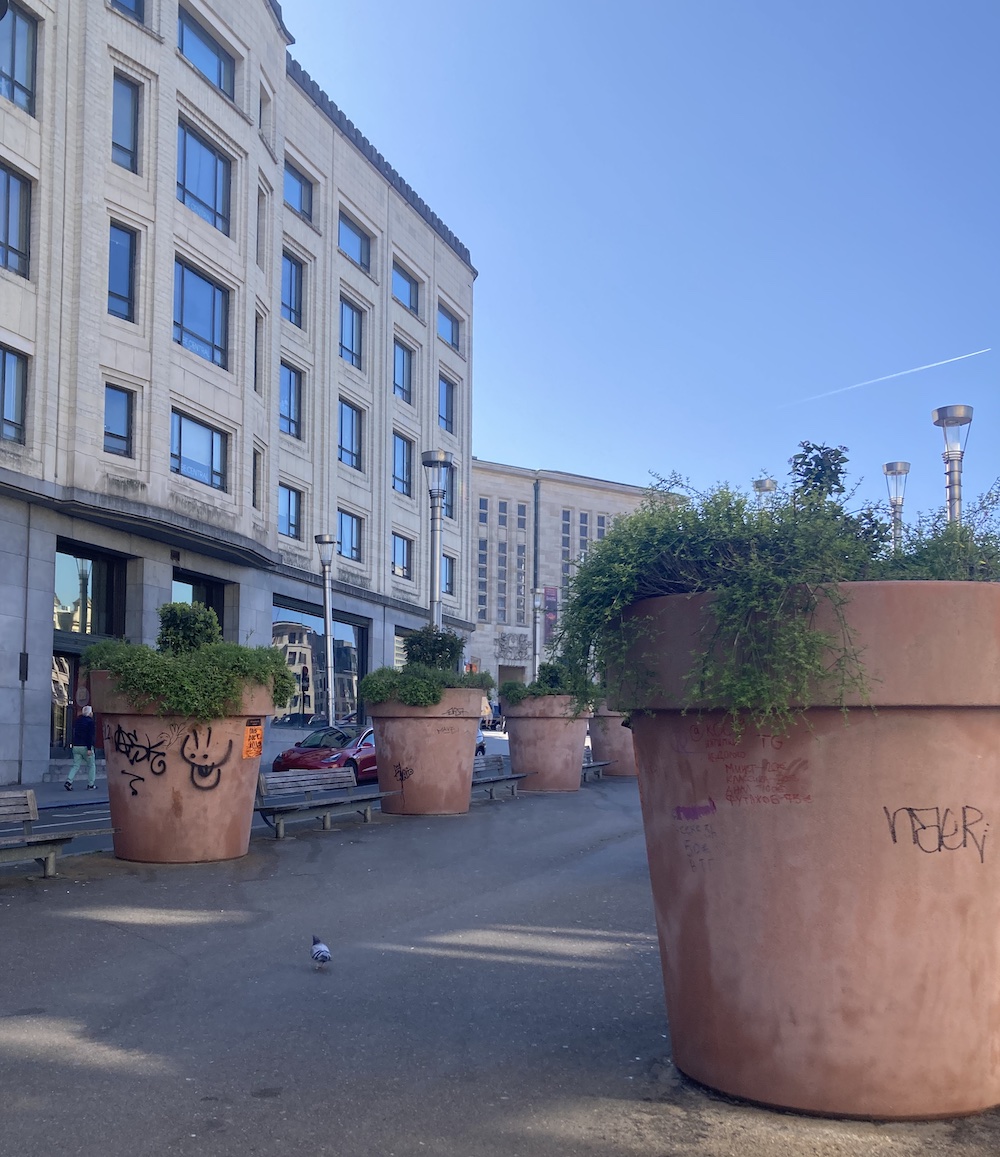
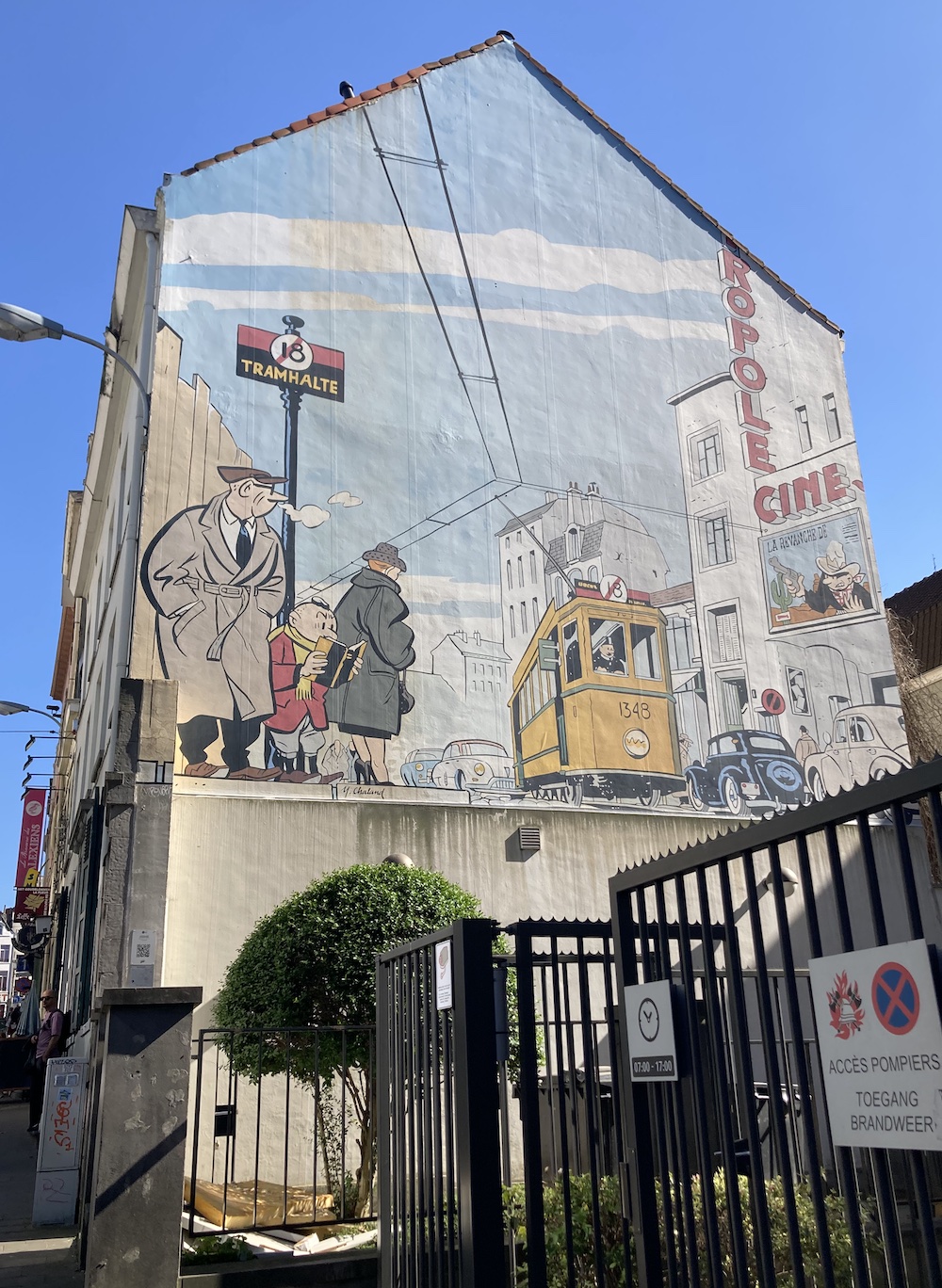
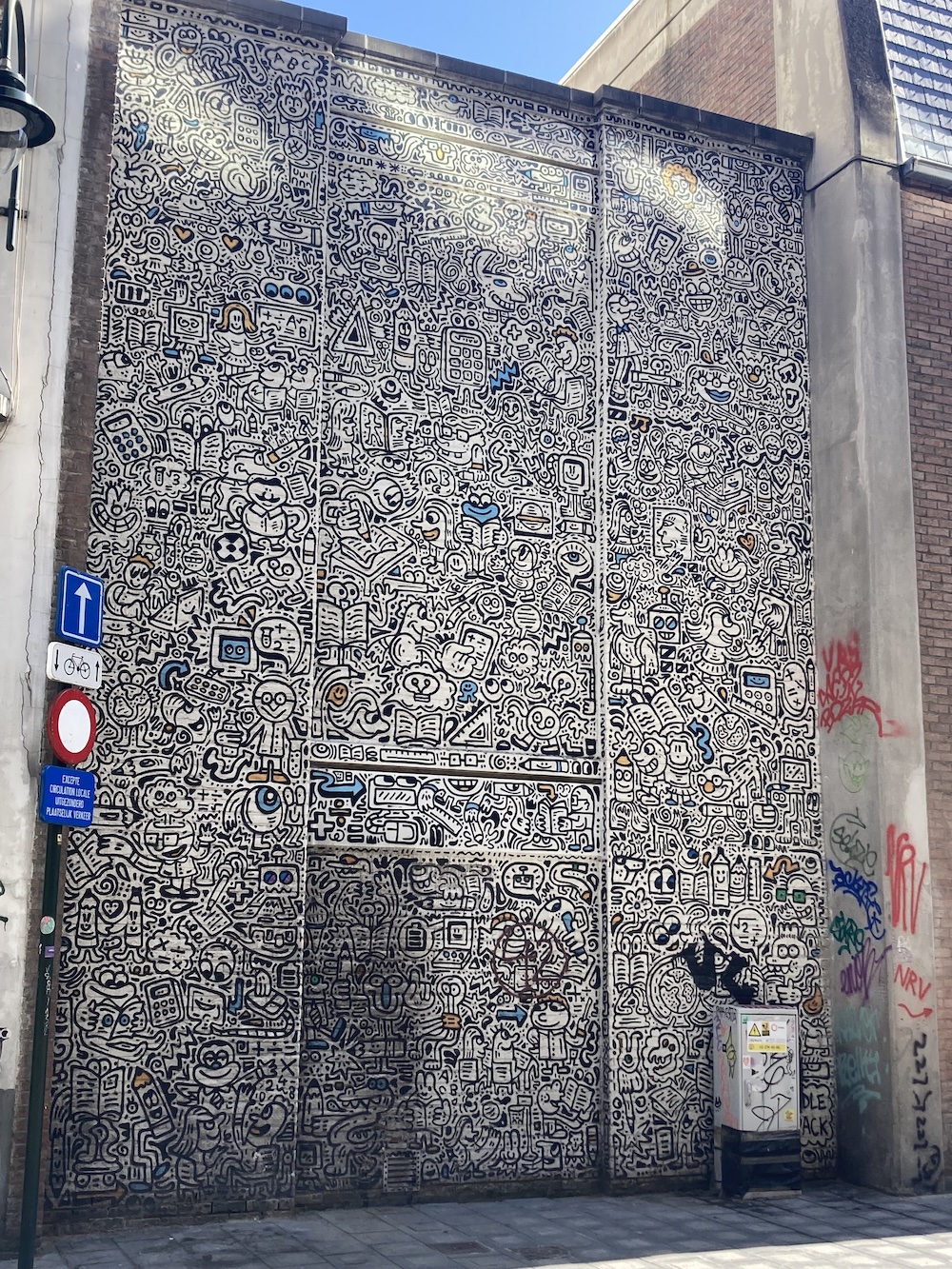
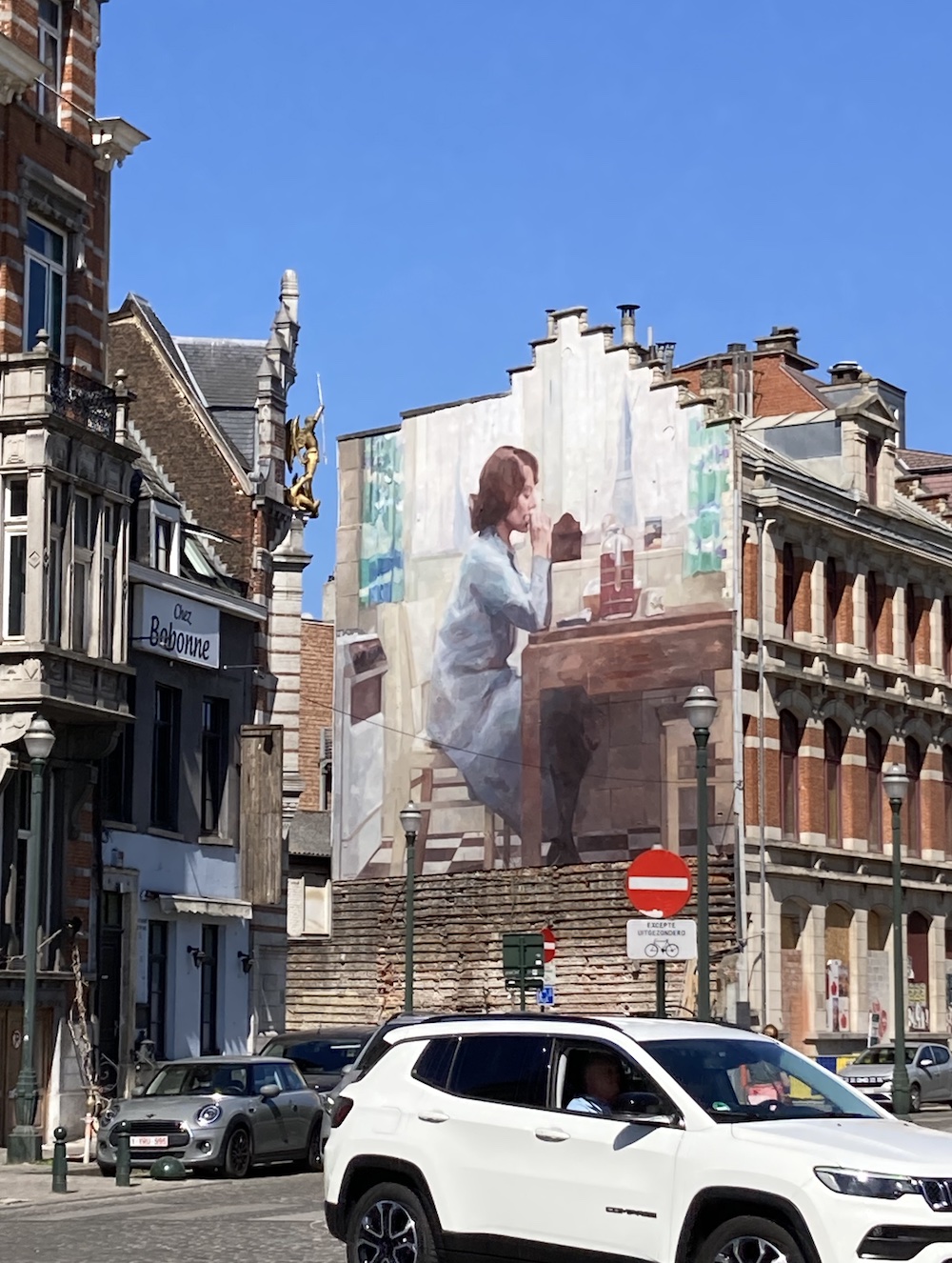
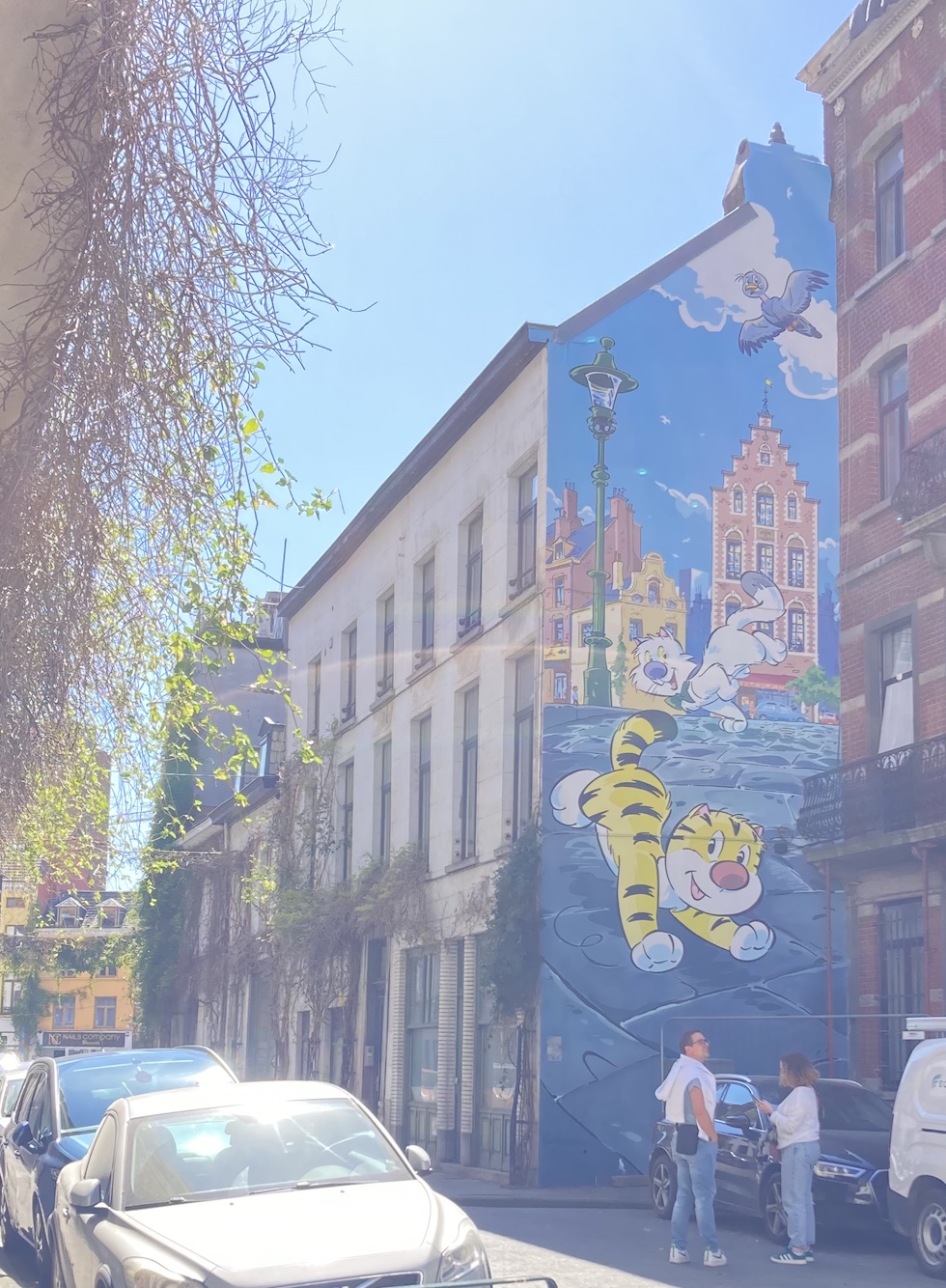
There are lots of street decorations in both Antwerp and Brussels. Some of the wall art pieces are impressively large. If you take your time walking around, spotting them feels like going on a treasure hunt.
Side Notes
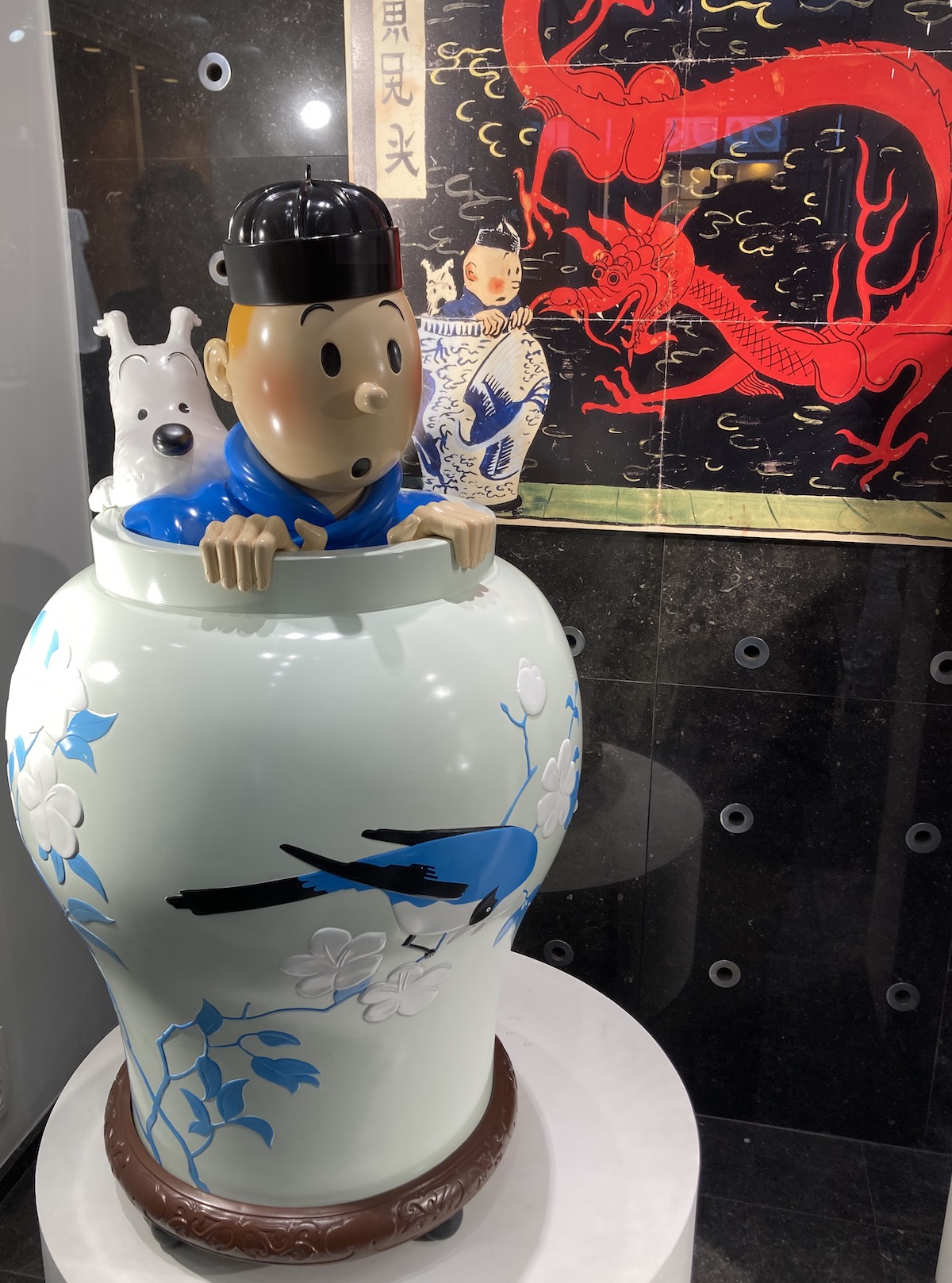
Wrapping up my thoughts about this trip feels harder than explaining a piece of software or a technical concept 😅. By the way, I’ve been studying French for almost a year. During this trip, I really felt a sense of accomplishment, from reading street signs and menus to understanding some original Tintin comics!

Recently, I’m reading a book related to WWI called The Beauty and the Sorrow: An Intimate History of the First World War by Peter Englund, originally named Stridens skönhet och sorg in Swedish. I got to know the wars/historial events happened in Begium as it is at the Western Front, like the Sanctuary Wood at Ypres (Ieper/Zillebeke). ↩︎
Author Carol Hsu
LastMod 2025-07-16 (6e86389)
License All rights reserved. Feel free to reach out with any questions.